

In 2025, generating leads isn’t just about getting attention. It’s about getting the right attention.
You can run ads all day, send out a hundred emails, or cold call an entire list. However, if your message isn’t landing in front of the right people, it’s like pouring water into a leaking bucket.
Target audience segmentation has become the cornerstone of high-performance lead generation techniques in the digital age. It’s no longer optional: it’s the competitive advantage separating growing brands from those stuck in survival mode.
Today we will explore how target audience segmentation is helping businesses generate higher-quality leads, spend smarter, and drive more conversions than ever in 2025.

What Is Target Audience Segmentation?
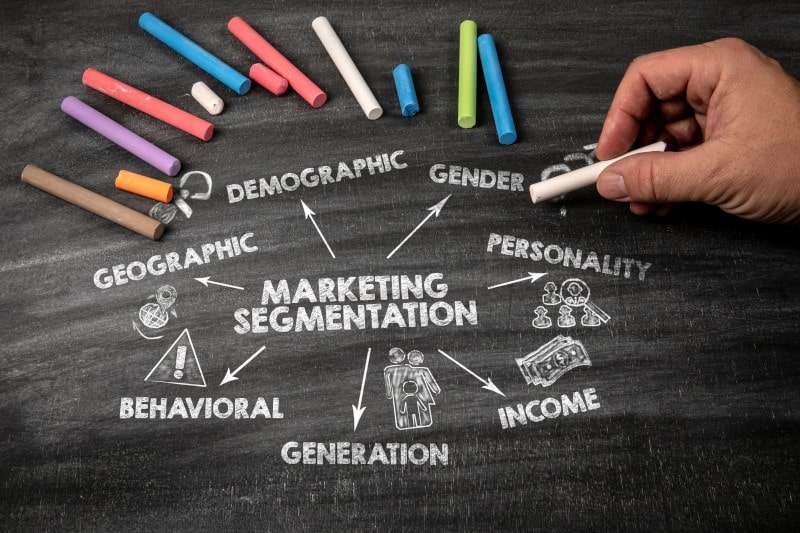
Target audience segmentation is the process of dividing your broader audience into smaller, more specific target groups based on shared traits, like behavior, interests, location, income level, buying stage, or past interactions with your brand.
But in 2025, this isn’t just demographic filtering. Modern target audience segmentation is powered by AI, real-time data, and behavioral modeling, letting you build micro-segments that are incredibly precise and dynamic.
Think:
- A list of users who visited your pricing page twice but didn’t convert
- Prospects who opened your last SMS but didn’t click
- Business decision-makers in specific industries showing high purchase intent
That’s the kind of targeting that wins.
Why It’s a Game-Changer for Lead Generation
🎯 Precision = Efficiency
Target audience segmentation lets you talk directly to the people who actually care. This means better engagement, higher open rates, lower CPL (cost per lead), and way fewer wasted impressions.
🧠 Personalization at Scale
Using detailed segments, you can personalize outreach based on each lead’s needs, stage, or behavior. Whether it’s an automated email, a call script, or an SMS offer, target audience segmentation ensures it hits the mark.
🚀 Faster Conversions
The more relevant your message, the shorter the sales cycle. Instead of convincing leads they might need you, segmentation allows you to find those who already do.
Lead Gen Channels That Benefit Most from Segmentation
📩 Email Marketing
Target audience segmentation enables you to send highly relevant content to your segmented Email Marketing lists, like new subscribers, warm leads, cart abandoners, loyal customers, etc. Personalized emails lead to better open rates, more clicks, and stronger pipeline activity.
Pro Tip: Use dynamic content and behavioral triggers to create automated email flows tailored to each segment.
📞 Telemarketing
Gone are the days of cold calling with a generic pitch. With target audience segmentation, Telemarketing teams can approach each contact with insights on industry, purchase history, behavior, or interests—making every call smarter, shorter, and more effective.
📲 SMS Marketing
In a space where you’ve only got 160 characters for your SMS campaign, relevance is everything. Segment your audience by time zone, behavior, or last purchase date to send powerful, timely messages that convert quickly.
The Role of a Digital Marketing Agency in Segmentation
Working with a top digital marketing agency like us can take your segmentation, and of course also your lead generation results to another level.
Here’s how an experienced digital marketing agency supports you:
- Database analysis: Clean, sort, and enrich your contact lists
- CRM and automation setup: Create segments that auto-update in real time
- Cross-channel alignment: Build segment strategies that sync across Email, SMS, and Telemarketing
- Campaign management: Launch, test, and refine segmented campaigns for optimal ROI
If target audience segmentation feels overwhelming, a digital marketing agency provides the expertise, tools, and guidance to implement it seamlessly.
How to Build Segments That Actually Work
1. Start With Clean Data
Garbage in, garbage out. Before creating segments, make sure your database is accurate, deduplicated, and properly tagged. Missing or outdated data can lead to poor segmentation logic and wasted efforts.
2. Segment by Behavior, Not Just Demographics
Demographics tell you who someone is. Behavior tells you what they want. Focus on site actions, content engagement, product views, email opens, and form submissions to uncover deeper intent signals.
3. Test and Refine Regularly
Target audience segmentation isn’t a “set it and forget it” process. Review your segments monthly. Are they still relevant? Are they converting? Create new sub-segments or merge underperforming ones to keep results growing.
From Lists to Leads: Real-World Example
Let’s say you’re running lead generation campaigns for a B2B software company. Without segmentation, you might send the same demo offer to every contact in your B2B database.
But with target audience segmentation, you could send:
- A feature-focused email to decision-makers in tech startups
- An ROI-driven case study to financial officers in mid-size firms
- A free trial via SMS to engaged users from your last webinar
Each message is tailored to a segment. Each has a better chance of converting. And collectively, they turn your database into a lead-gen engine.
Smarter Segmentation Translates Into Better Leads
The digital space is noisier than ever. If you want to break through the clutter in 2025, you can’t afford to blast generic messages or call the same list with the same pitch.
Target audience segmentation empowers your business to work smarter, not just harder, and all that across every single channel. It means spending less to get more, connecting faster, and converting higher-quality leads.

If your current lead generation strategy is falling flat, start by segmenting. And if you’re not sure how to begin or scale, partnering with a seasoned digital marketing agency can be your shortcut to consistent, qualified lead flow.
Because in 2025, better segmentation isn’t just a nice-to-have, it’s your unfair advantage.